

What priorities and actions funded by the EU bring the most added value to Europeans?
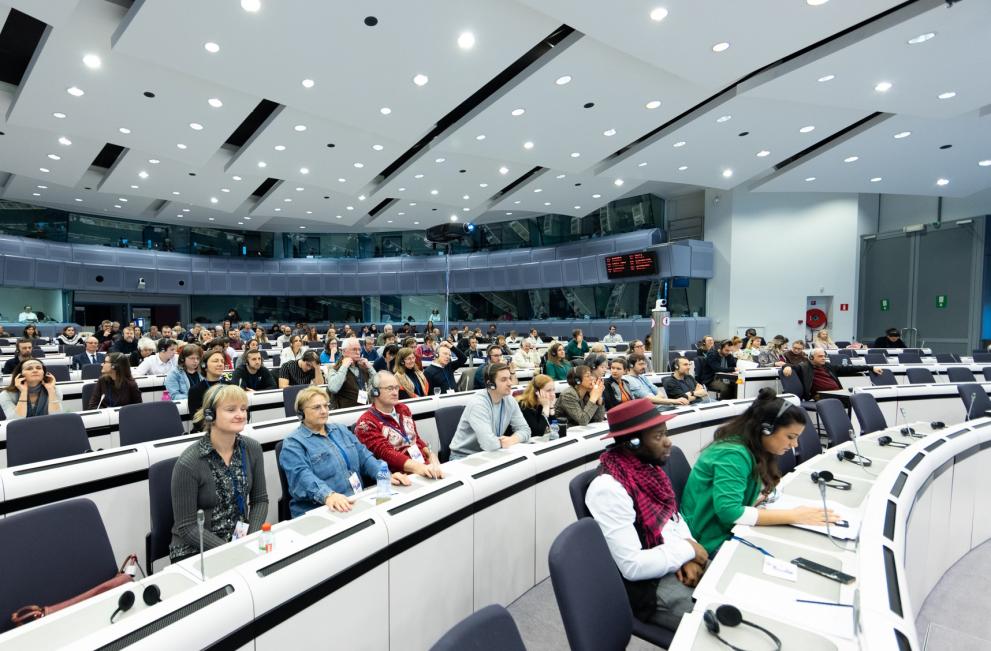
In the coming weeks, 150 randomly selected citizens from all 27 EU Member States will discuss the new long-term EU budget, which will be proposed by the Commission in July 2025.
As the EU looks ahead, profound changes are taking place – for our society and our security, our economy and our planet. The EU budget should continue improving the quality of life and the livelihoods of citizens, farmers, researchers, businesses and regions across Europe and beyond. At the same time, there is a need to address pressing priorities such as defence and security.
And while the need for EU action grows, the EU budget has limited financial resources. Hence the participants will focus on two questions:
- On what priorities should the EU budget be spent in the future?
- Which types of activities should the EU budget support to help deliver on those priorities?
What we can expect from the Panel
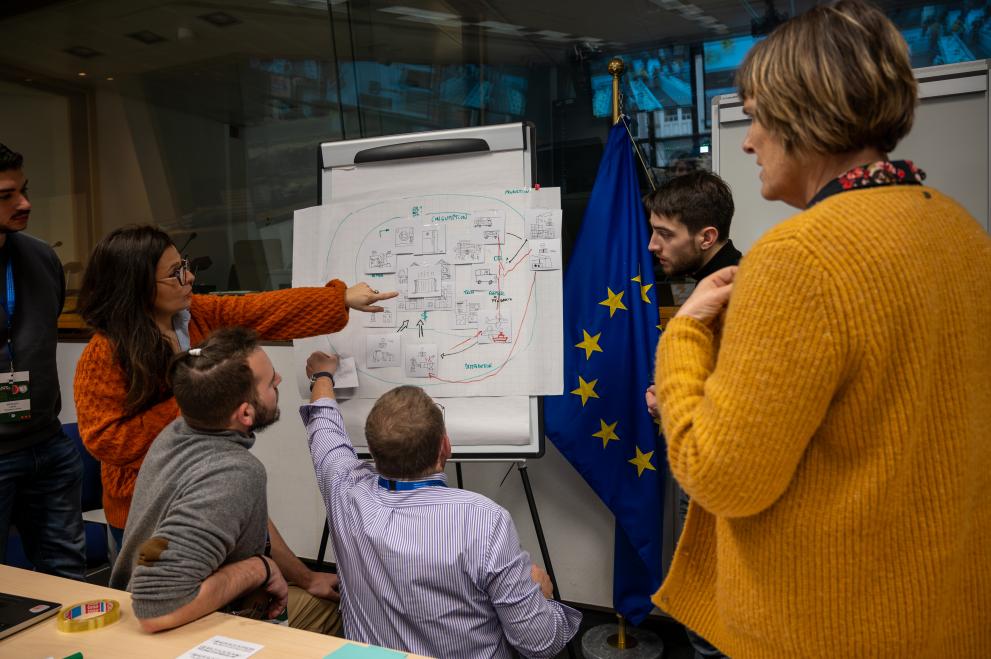
The Commission is looking to engage in a debate with the panel members.
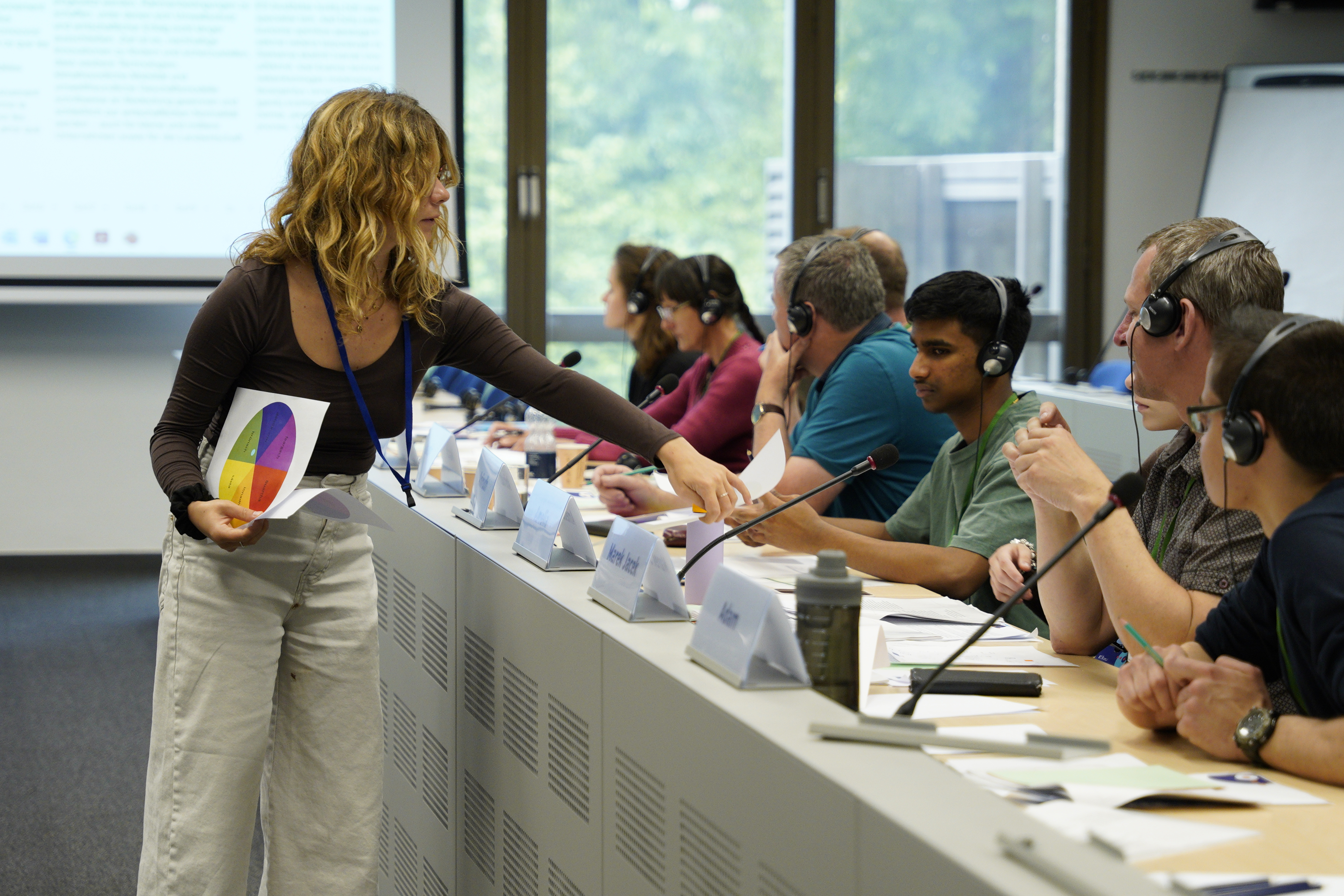
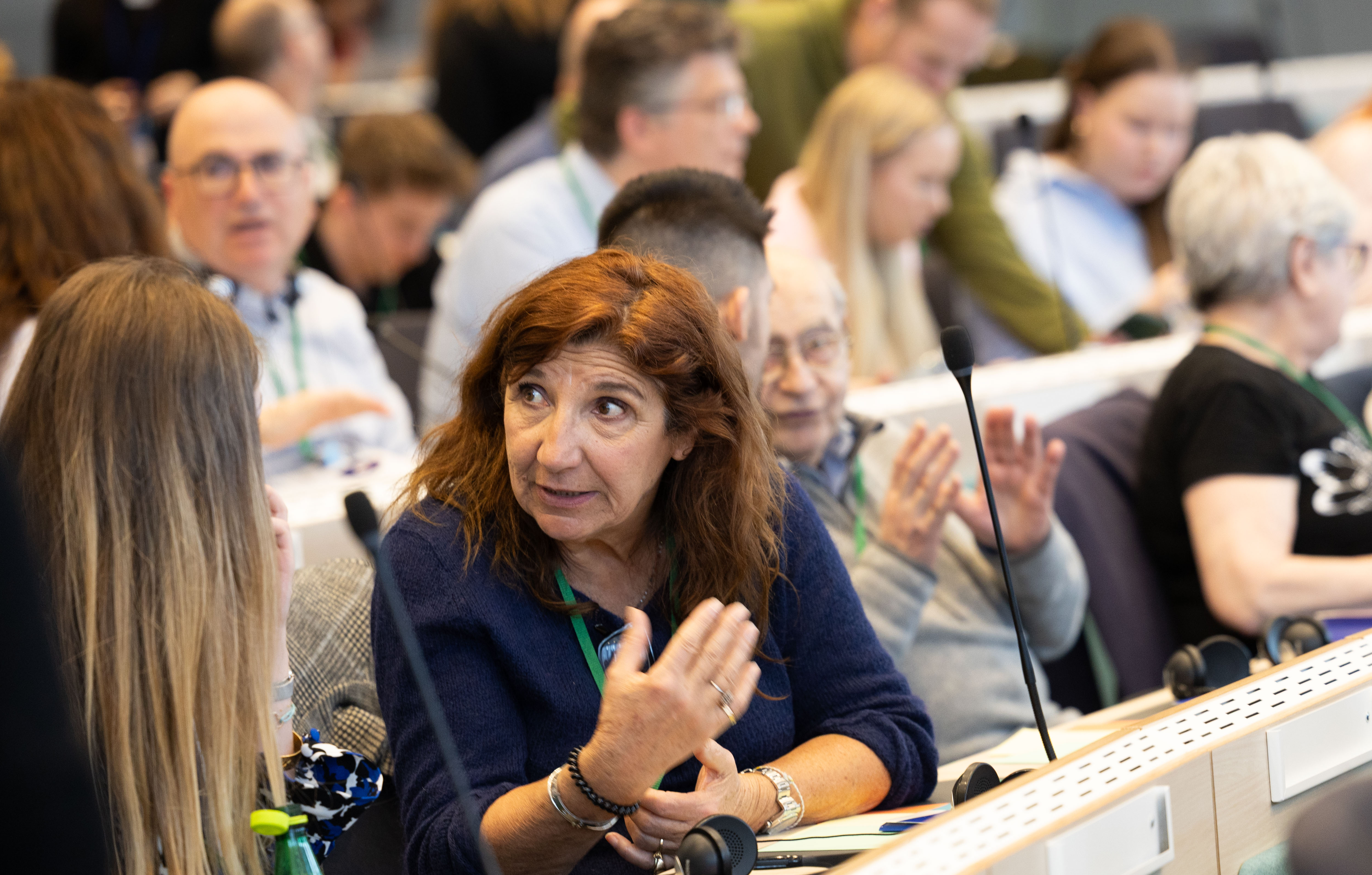
All participants will discuss their views and ideas as citizens drawing from their life experience. They will look into visions for a common future, identify key challenges as well as opportunities and discuss priorities and types of action where EU funding could have the greatest impact. Eventually the citizens will agree on political priorities and develop ideas on how to best support those common priorities.
The outcome of the Panel will be a list of recommendations that will notably support the European Commission’s future work on the EU budget.
Timeline
The European Citizens’ Panel on the new European budget will take place over three weekends between March and May 2025
- 28 - 30 MarchSession 1 - Brussels
- Exchange of first ideas participants find most promising for this exercise.
Introduction to the "new European budget".
Recordings: 28 March 2025 | 30 March 2025
- 25 - 27 AprilSession 2 - online
- Stocktake of Session 1 and development of ideas by theme and topic.
First phase of developing recommendations.
Recordings: 25 April 2025 | 27 April 2025
- 16 - 18 MayClosing Session - Brussels
- Drawing conclusions of debates and recommendations to the European Commission.
Explanation of next steps – impact on policymaking.
Recordings: 16 May 2025 | 18 May 2025
European budget: What’s at stake?

The European long-term budget defines the size of the budget and what it is spent on for several years. The current long-term budget runs from 2021 to 2027 and amounts to EUR 1.2 trillion, representing approximately 1% of the EU GDP. It is topped up by approximately EUR 800 billion from NextGenerationEU, a temporary instrument to power the recovery from the COVID-19 pandemic.
The European budget has shown that it delivers for citizens. For instance, by funding projects and activities supporting the social and economic development of European regions, supporting farmers and rural areas, protecting the environment and combating climate change, promoting the digital transition of our societies, and supporting research and innovation. And in recent years, it has become our lifeline in times of crises, from the COVID-19 pandemic to the Russian invasion of Ukraine, to support our energy independence and support Ukraine.
Photo Gallery
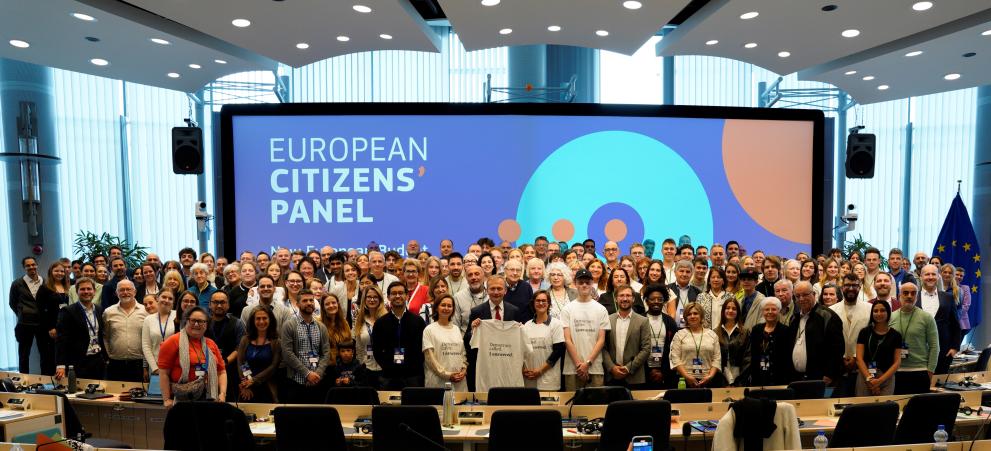
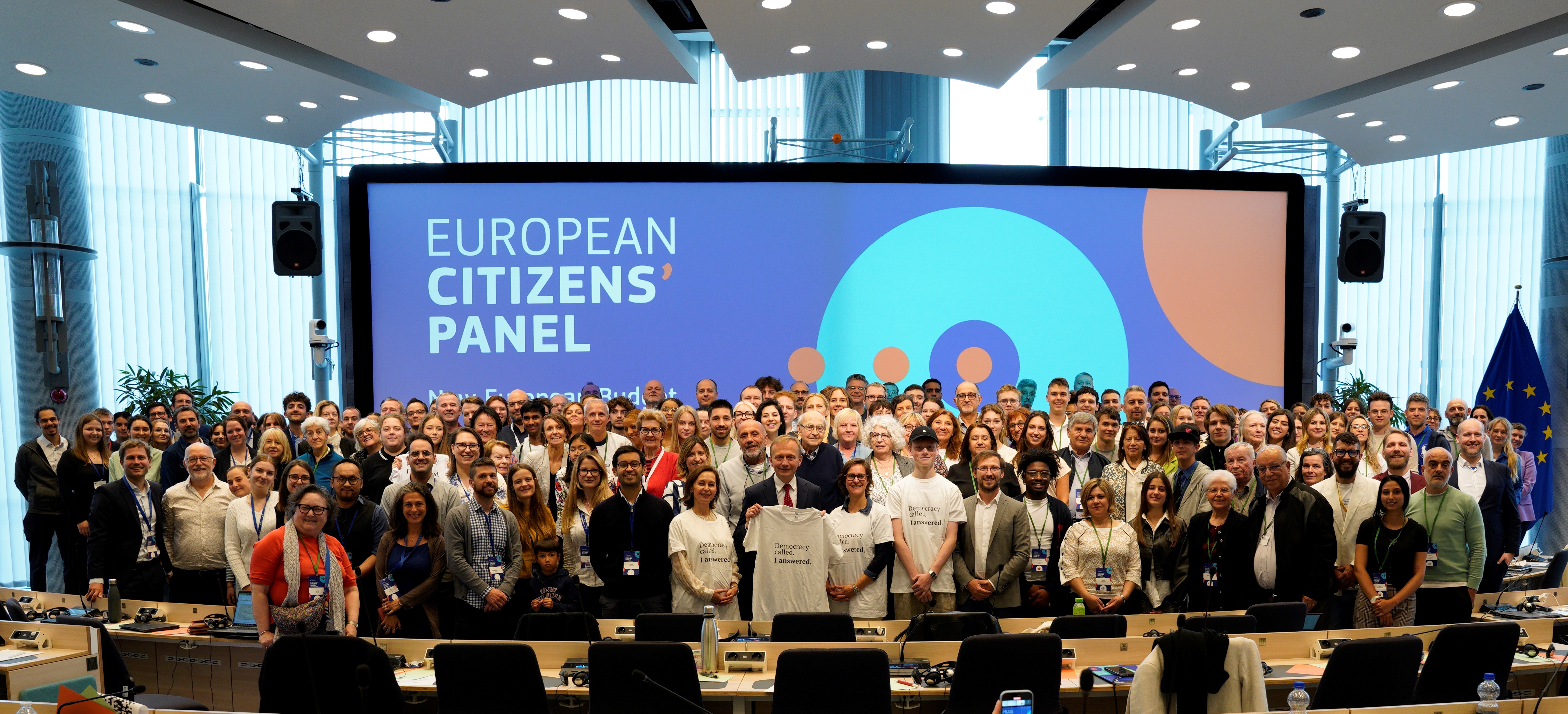
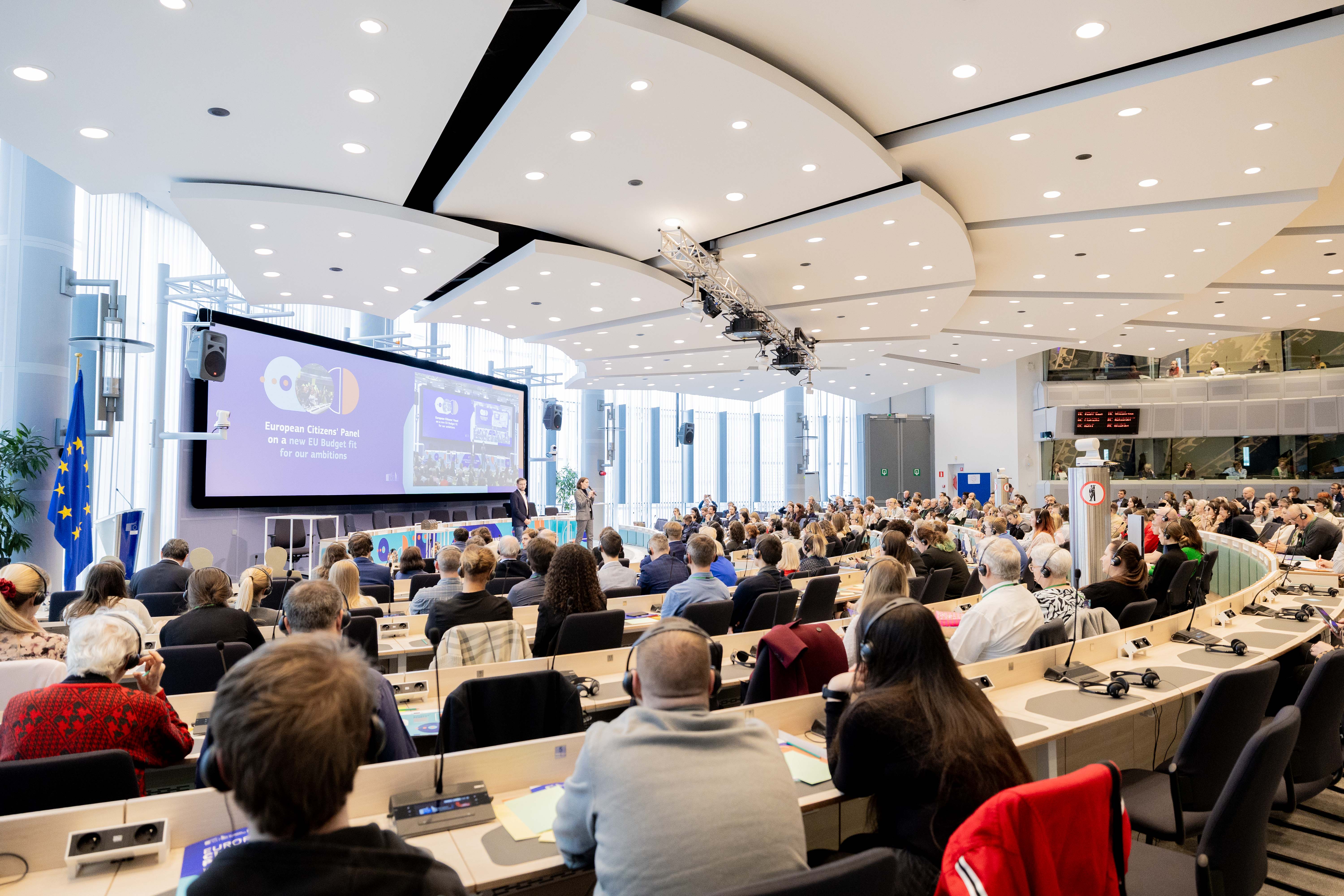
Citizens' Panel on the new EU budget - family photoCitizens' Panel on the new EU budget - family photo 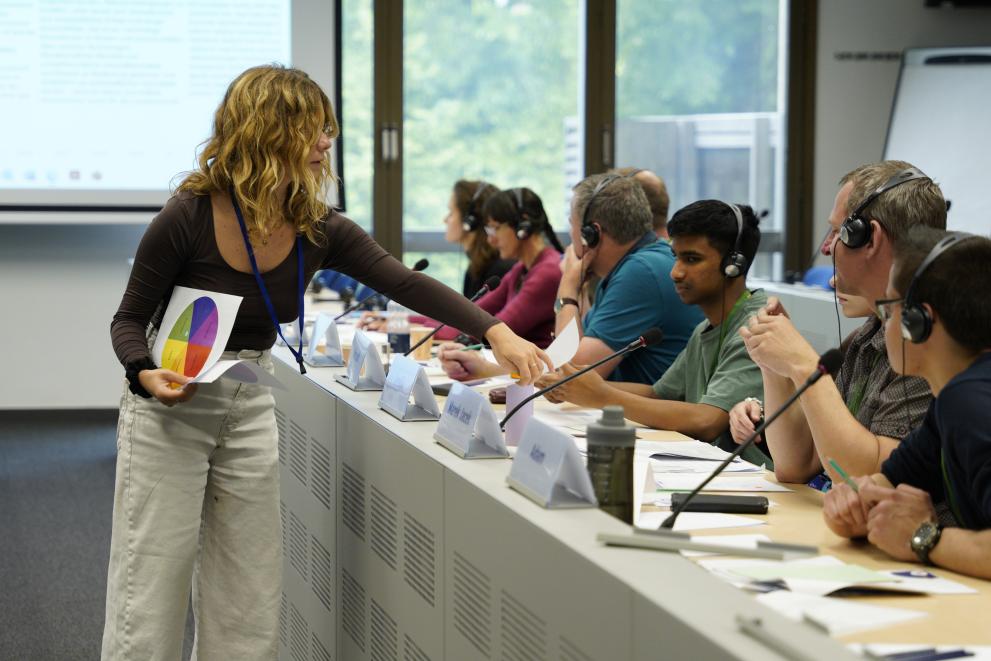
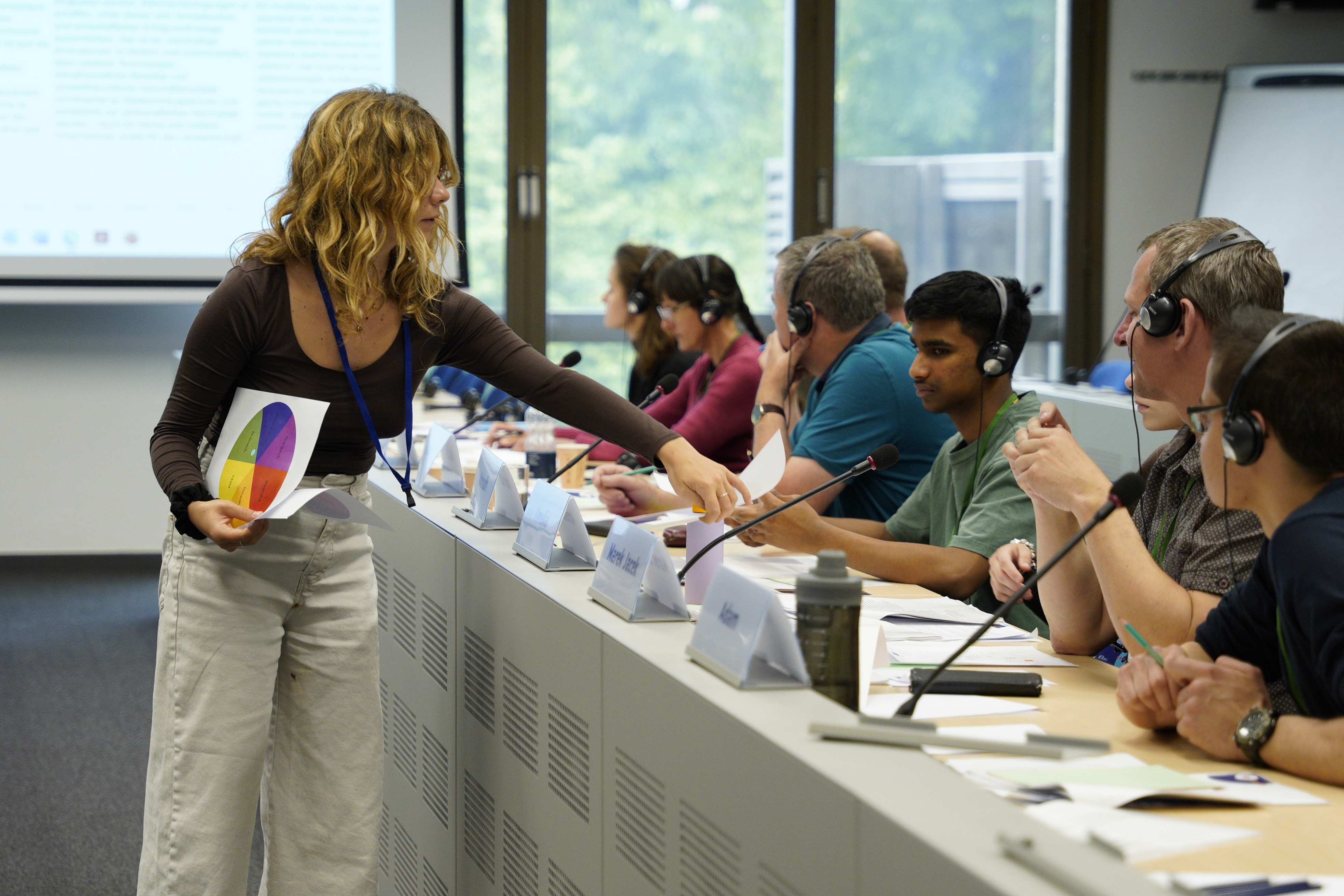
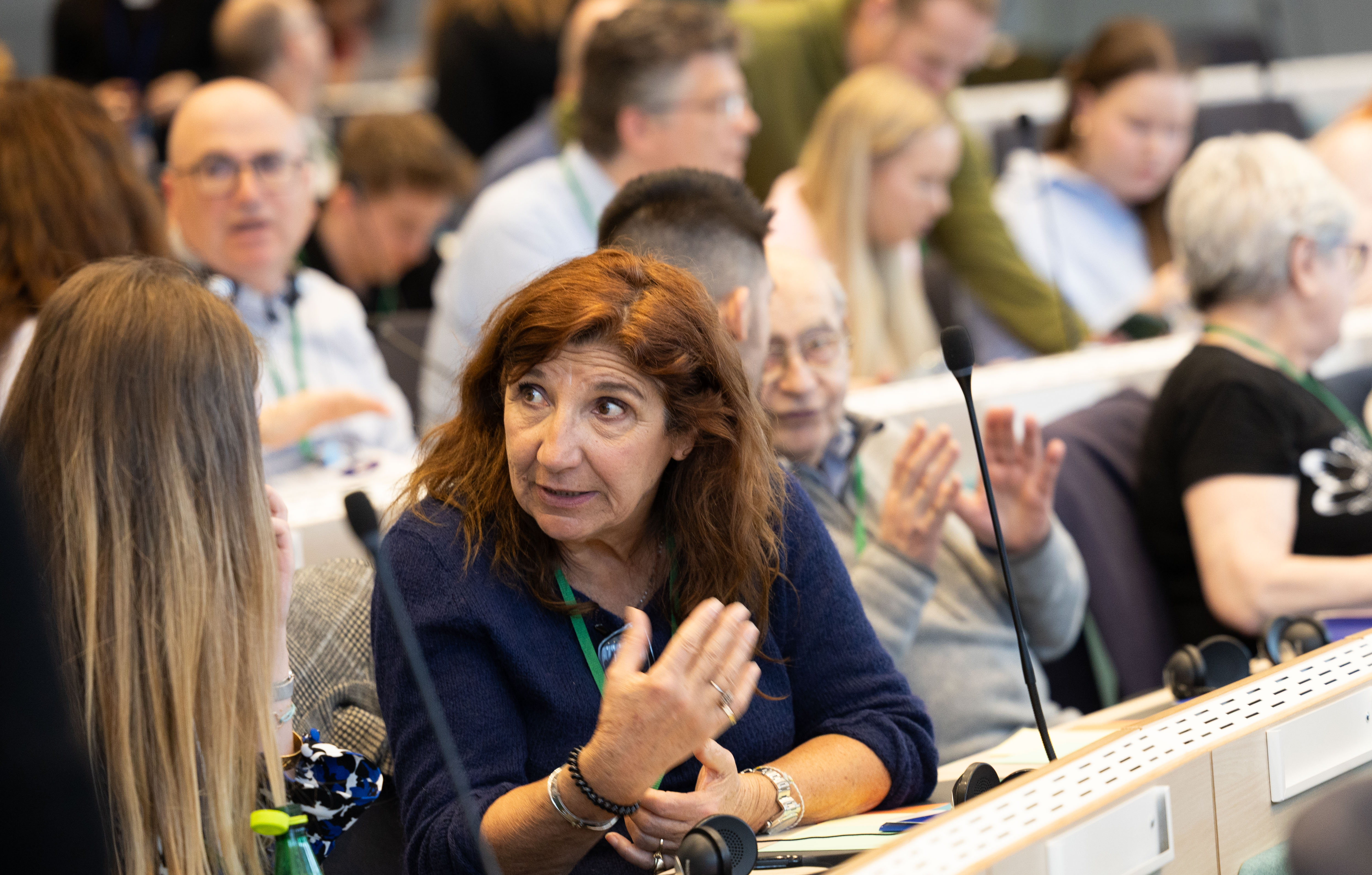
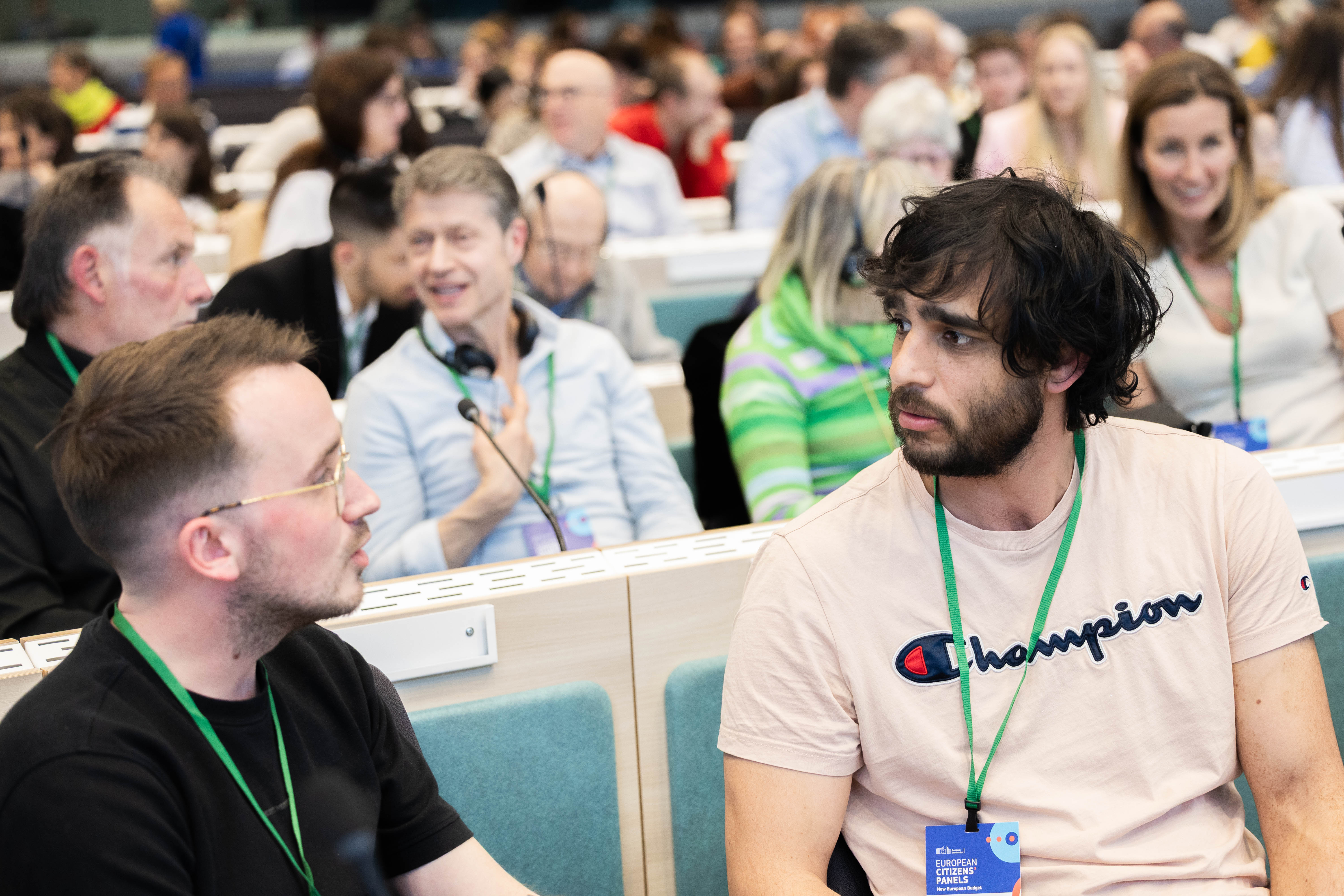
European Citizens' Panel on the New EU Budget - working groupEuropean Citizens' Panel on the New EU Budget - working group 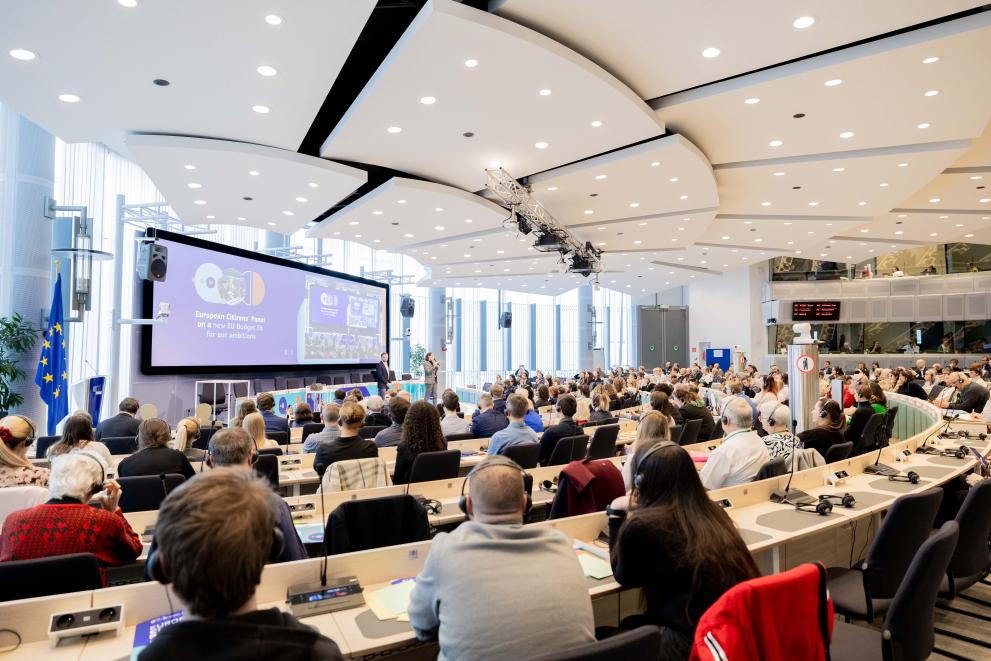
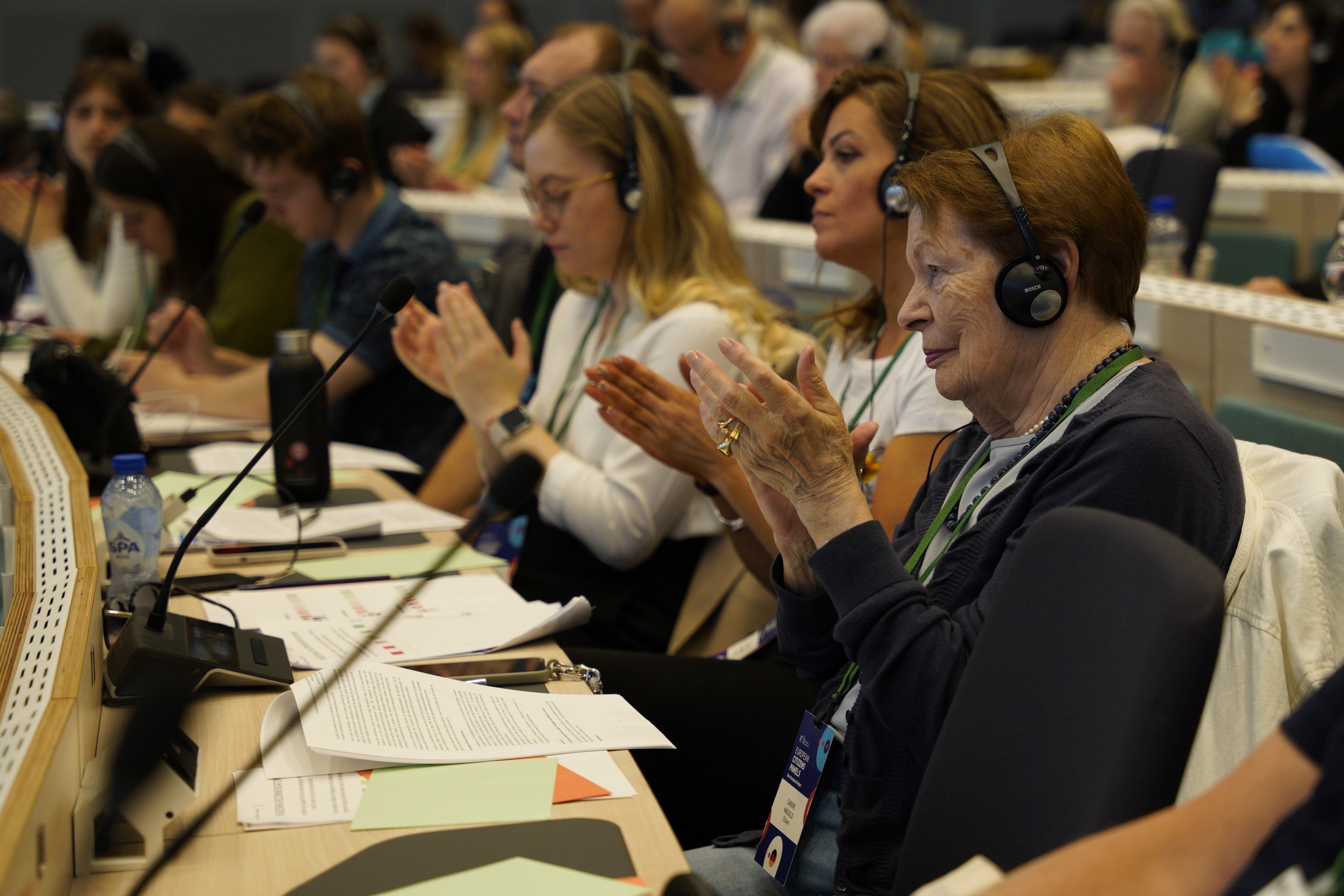
European Citizens' Panel on the New EU BudgetEuropean Citizens' Panel on the New EU Budget 
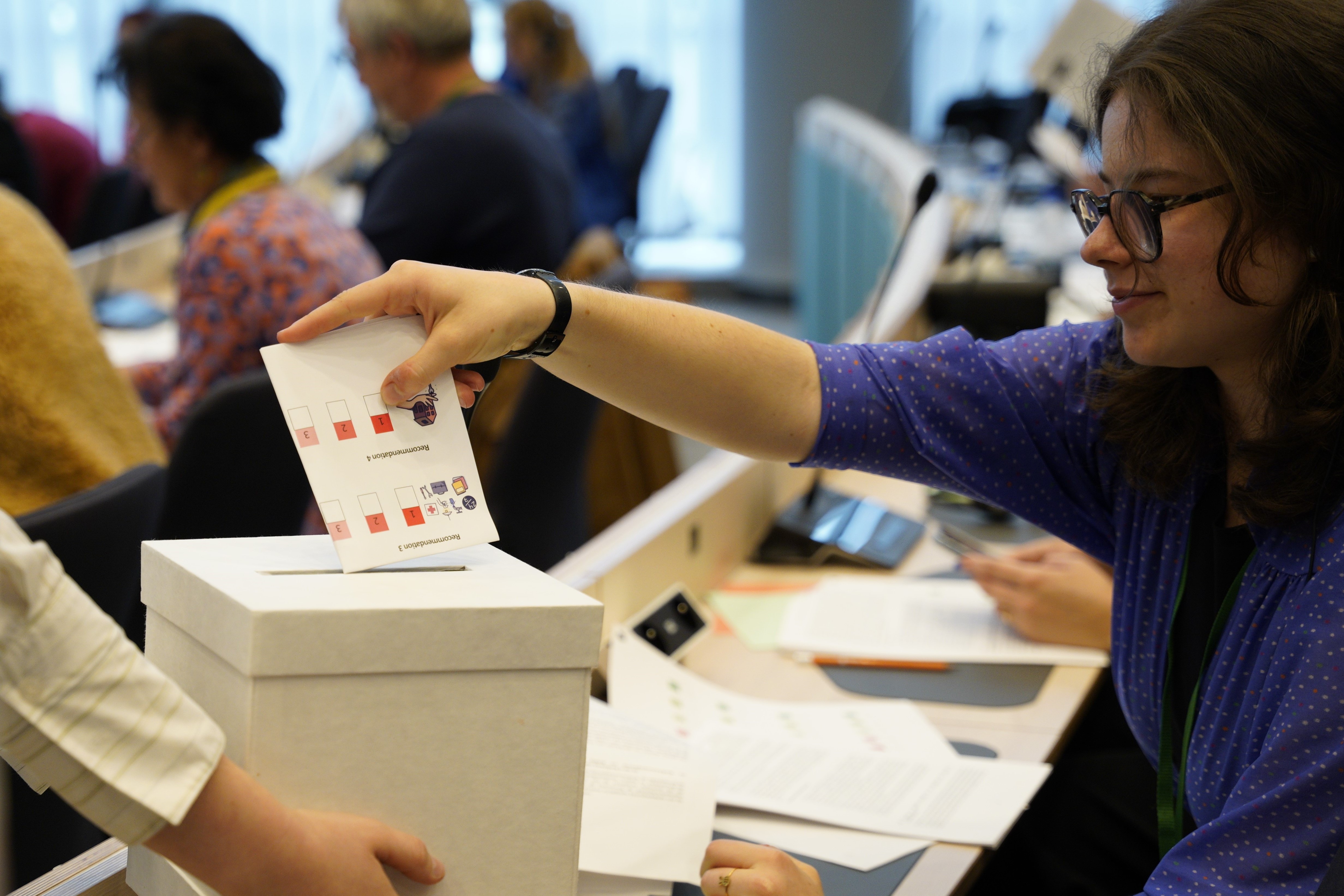
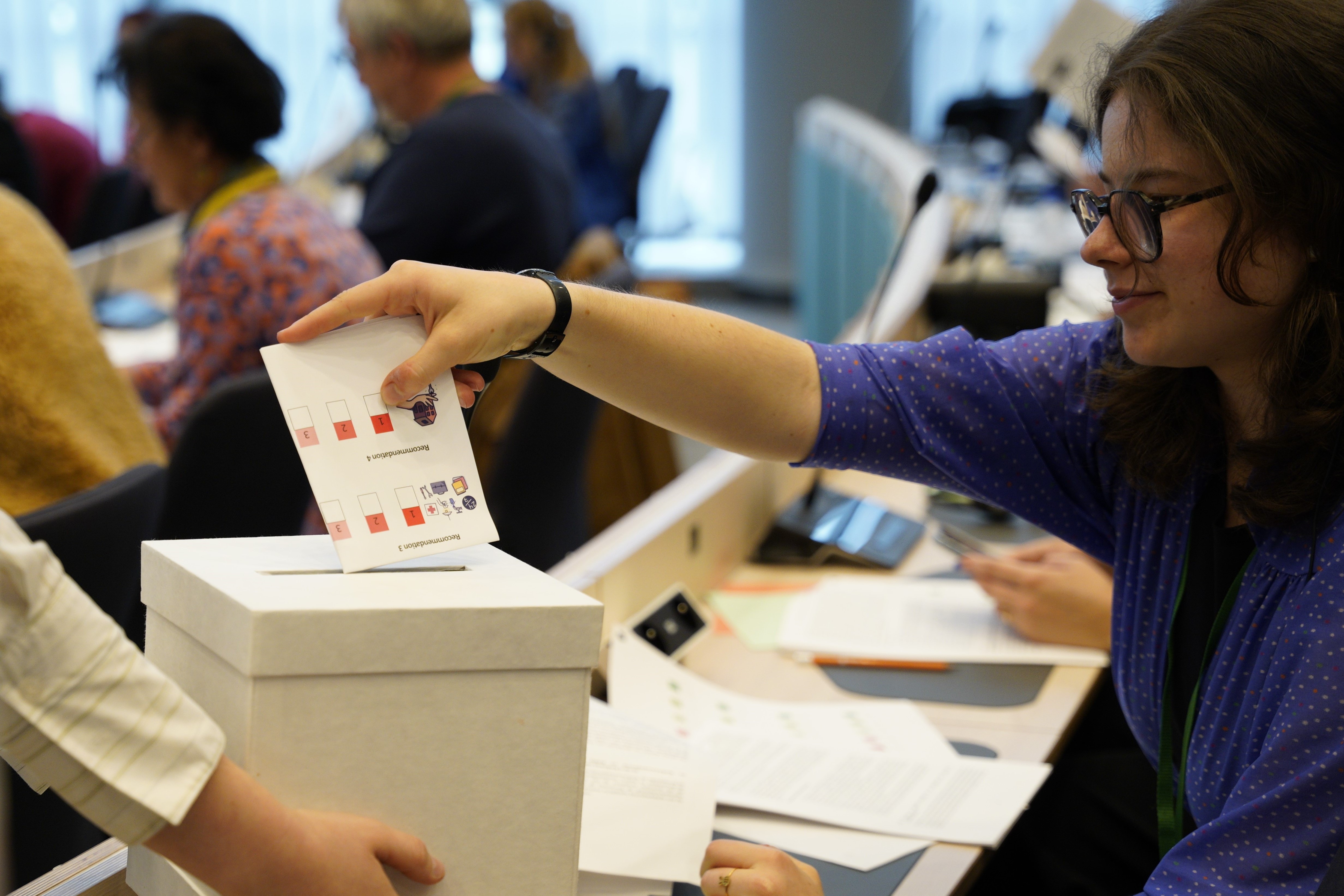
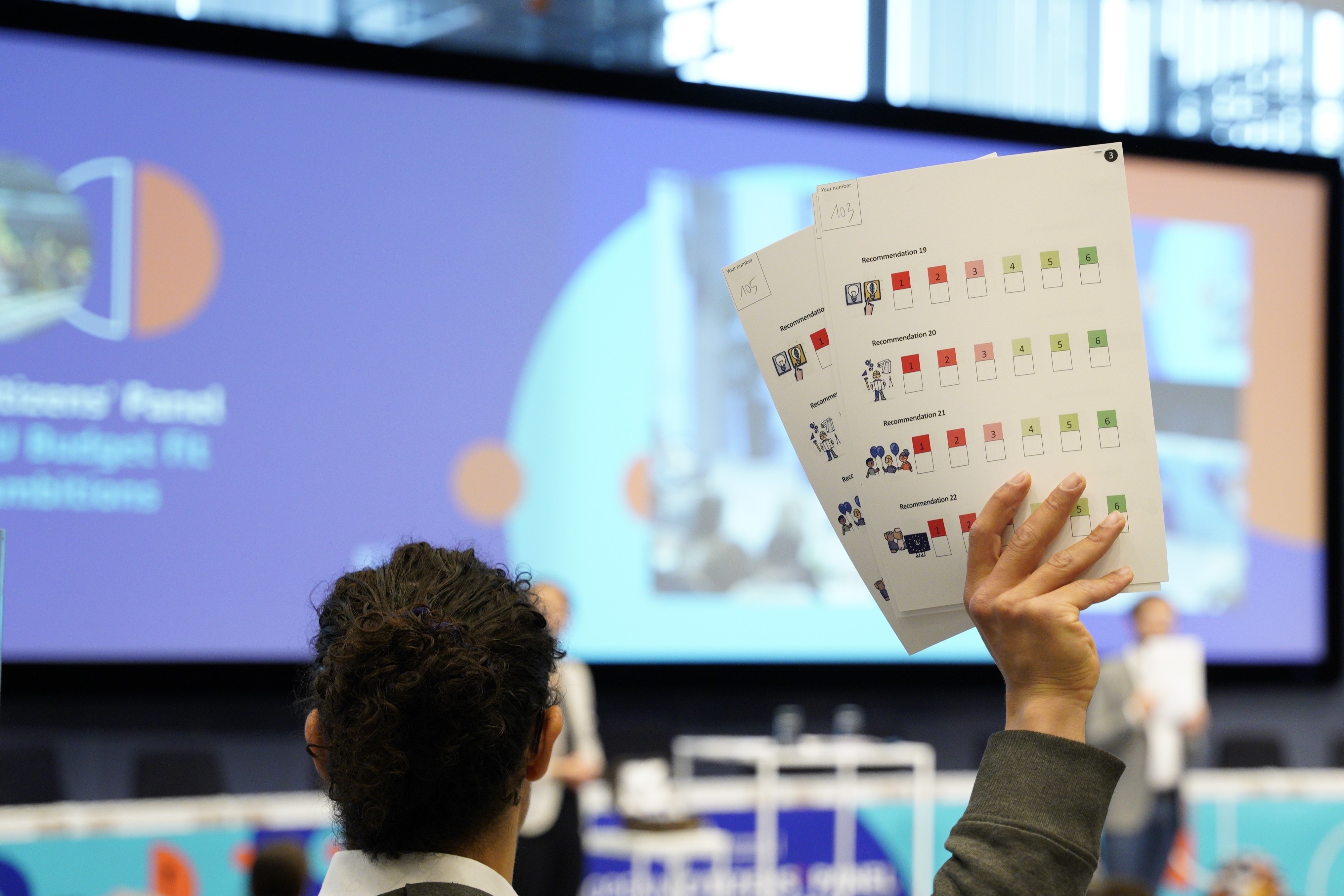
European Citizens' Panel on the New EU Budget - votingEuropean Citizens' Panel on the New EU Budget - voting 
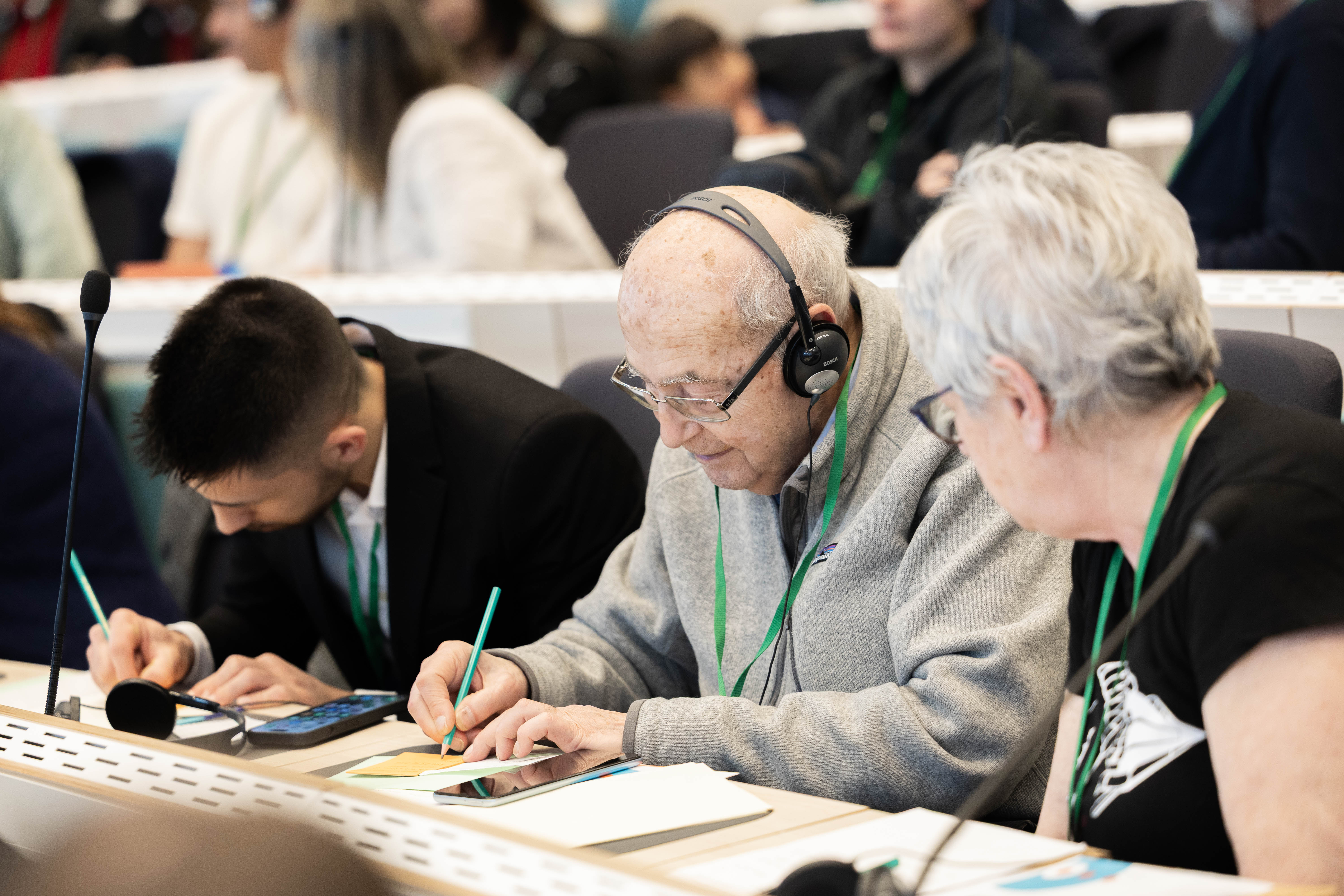
European Citizens' Panel on the New EU BudgetEuropean Citizens' Panel on the New EU Budget 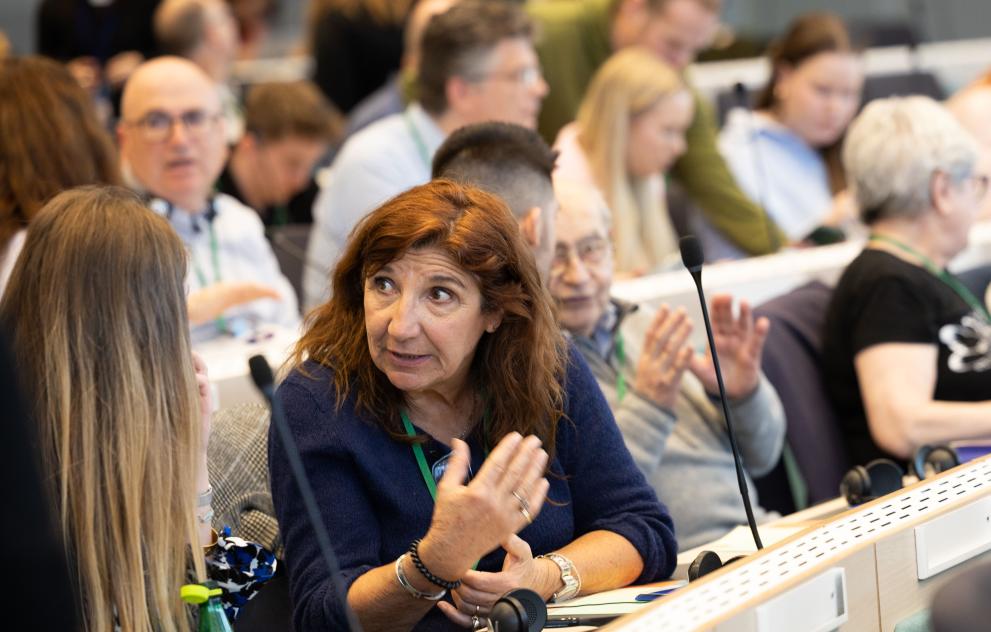
European Citizens' Panel on the New EU BudgetEuropean Citizens' Panel on the New EU Budget 
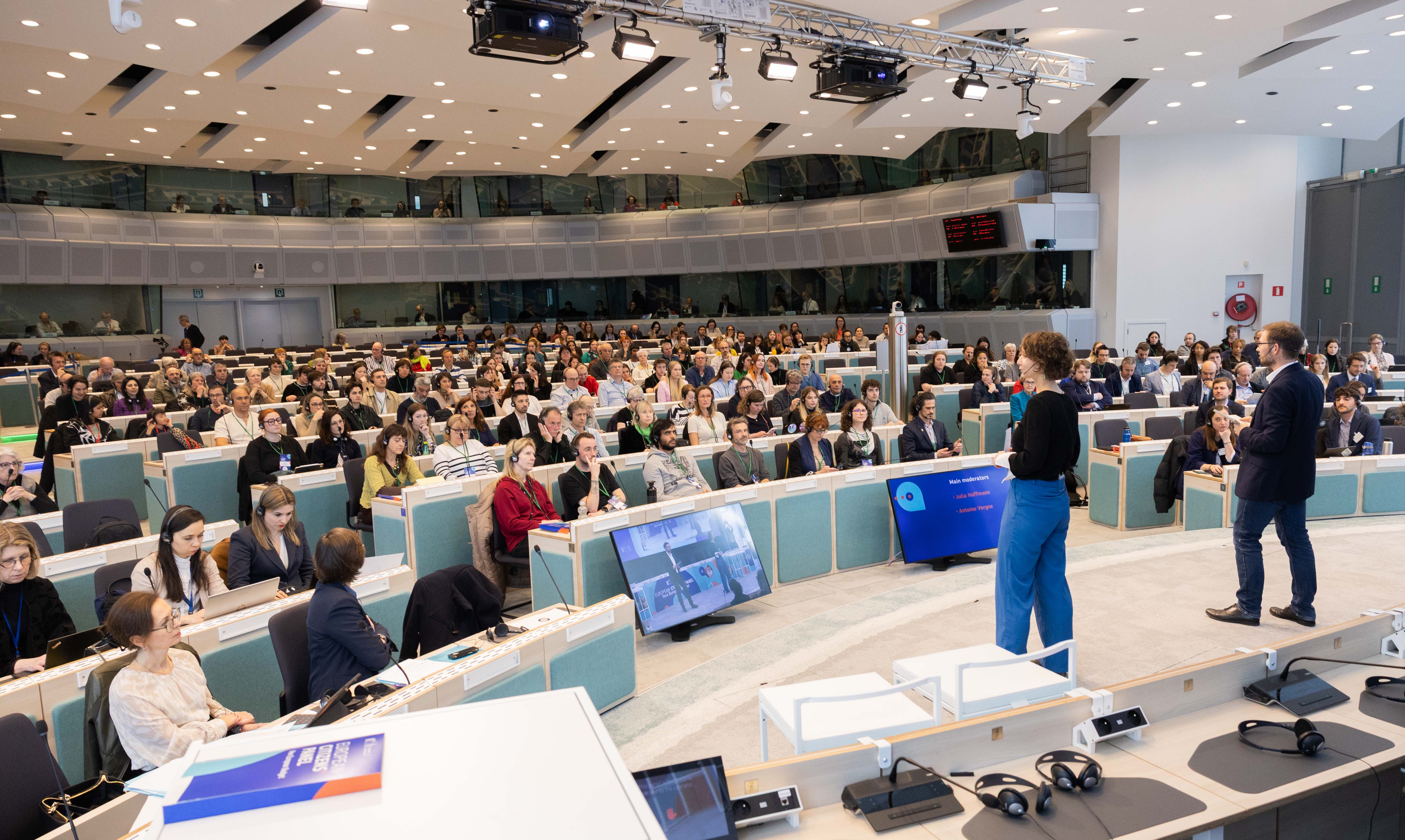
European Citizens' Panel on the New EU BudgetEuropean Citizens' Panel on the New EU Budget 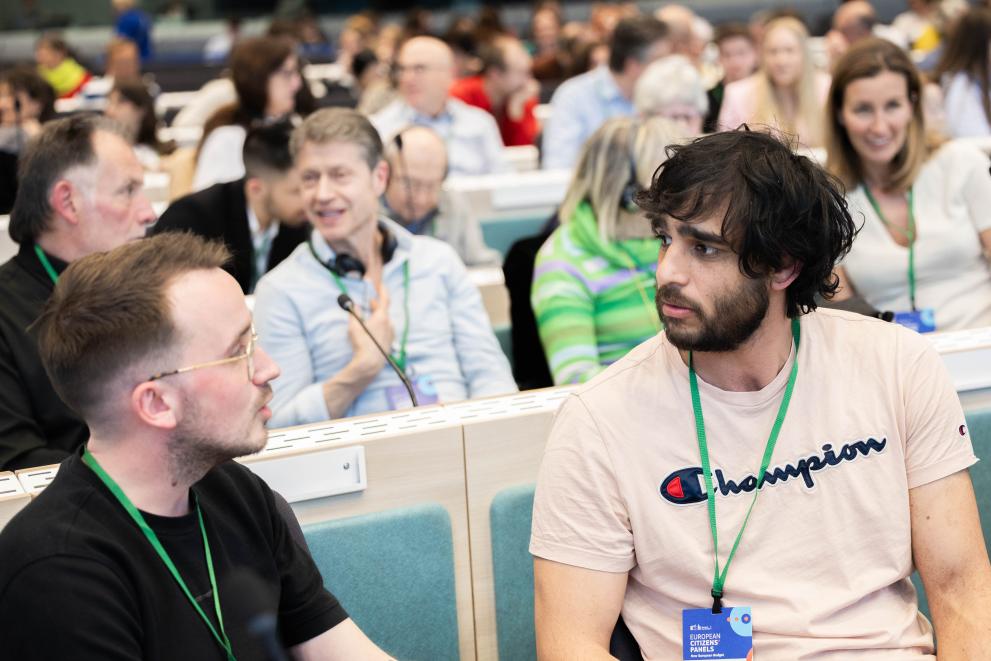
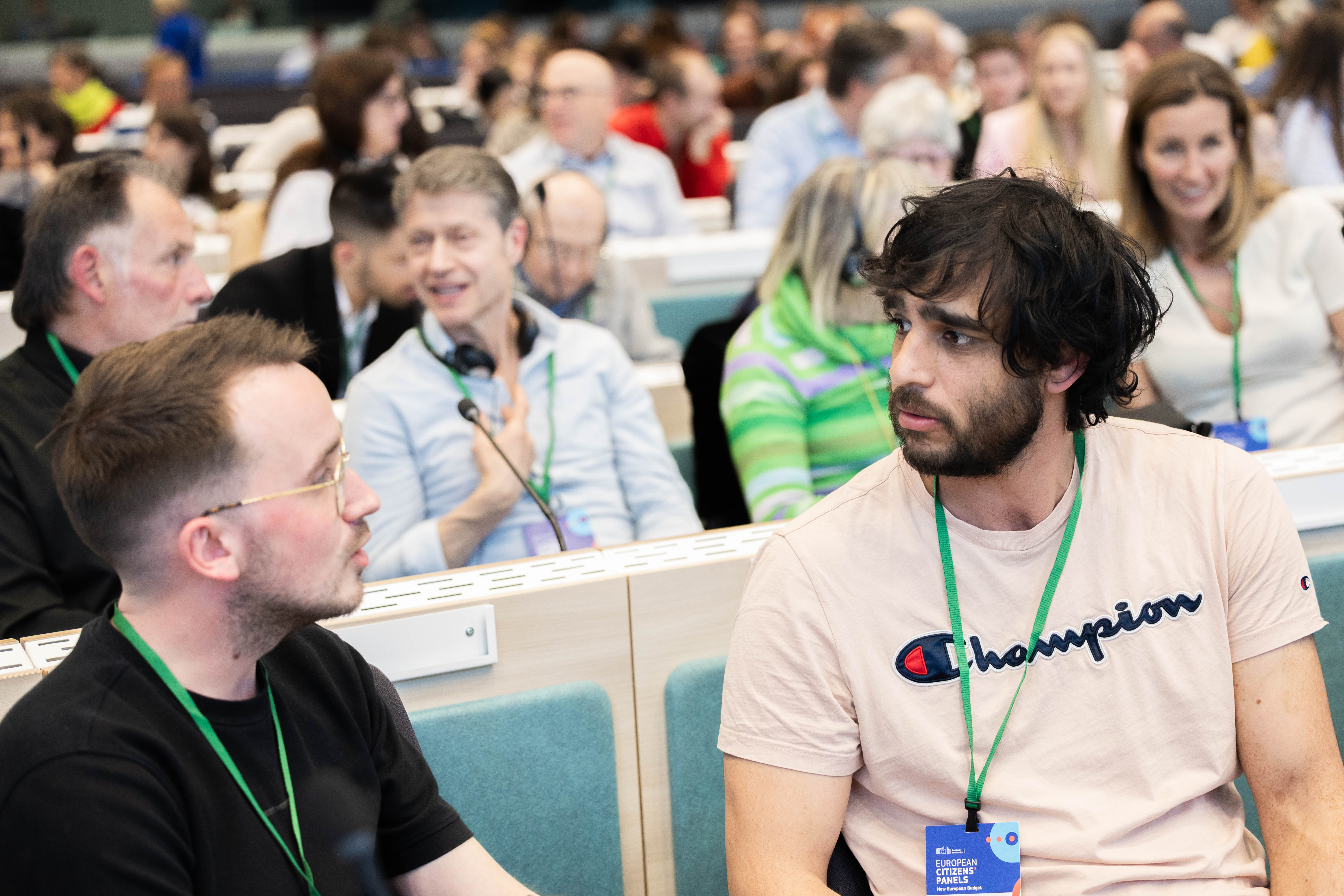
European Citizens' Panel on the New EU BudgetEuropean Citizens' Panel on the New EU Budget 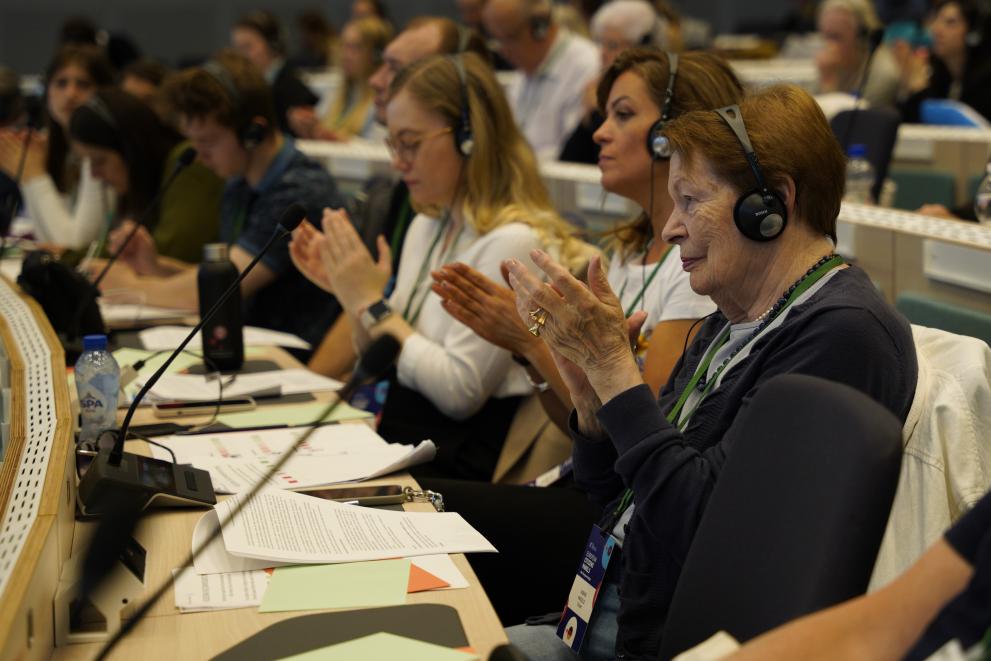
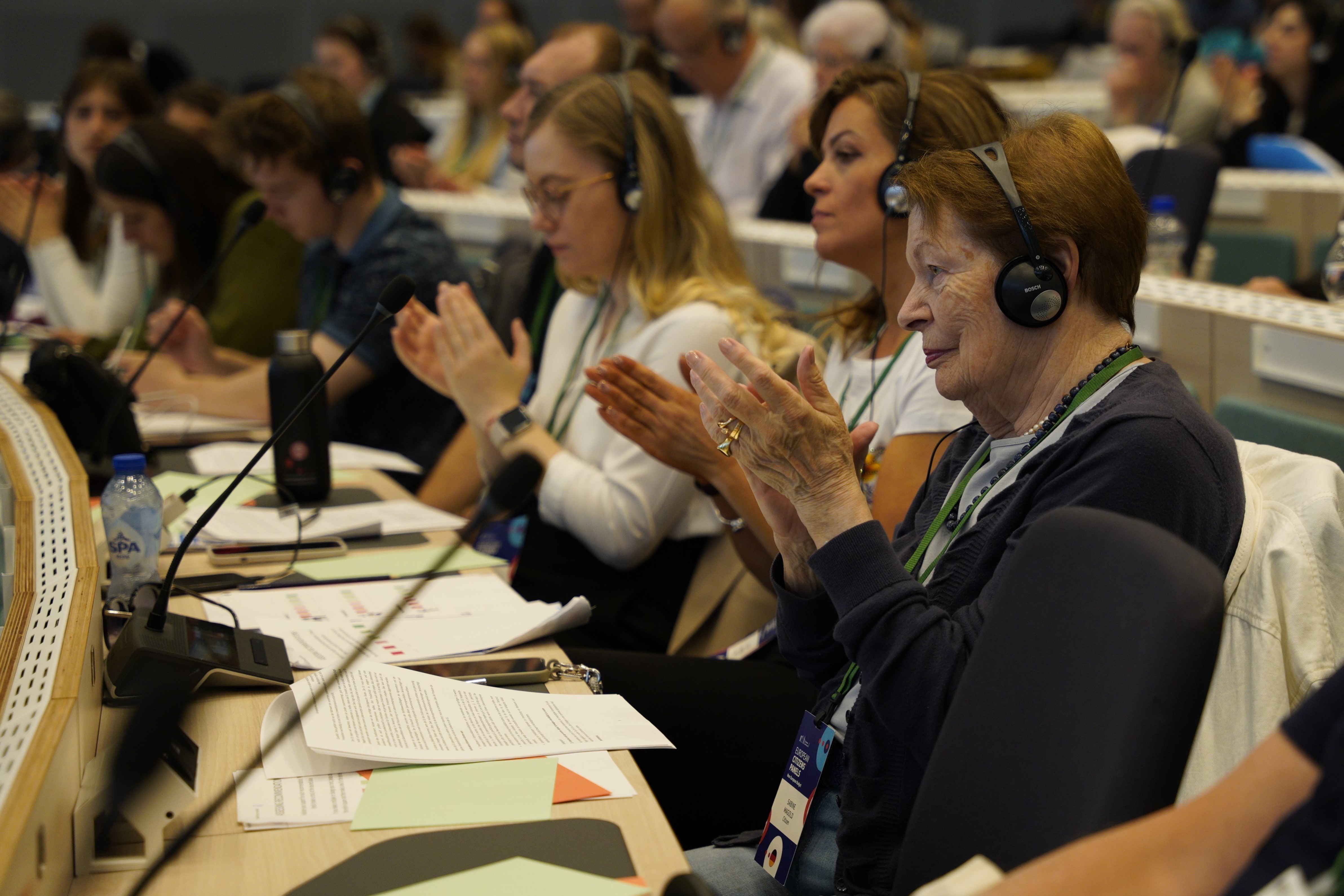
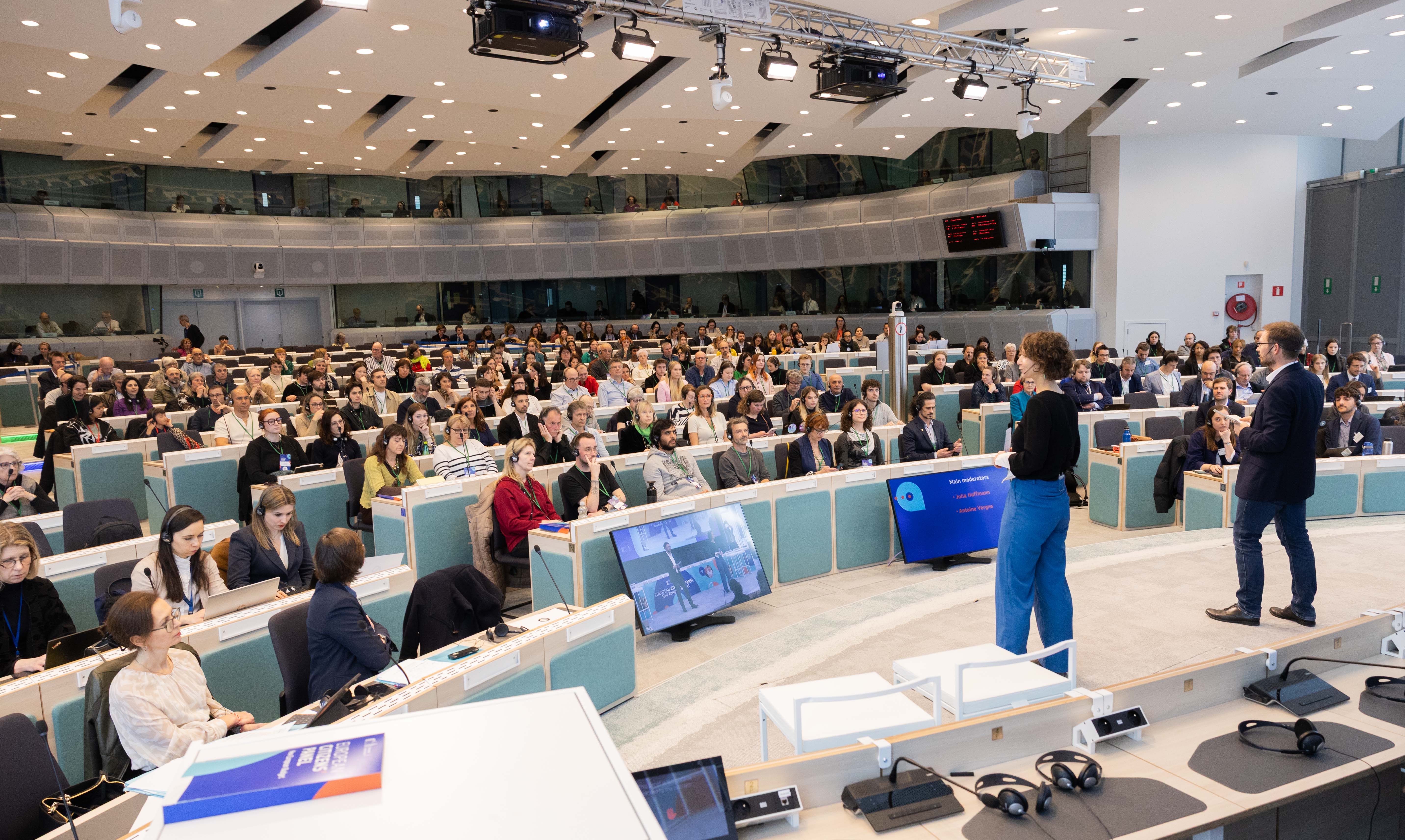
European Citizens' Panel on the New EU Budget - plenary 3rd sessionEuropean Citizens' Panel on the New EU Budget - plenary 3rd session 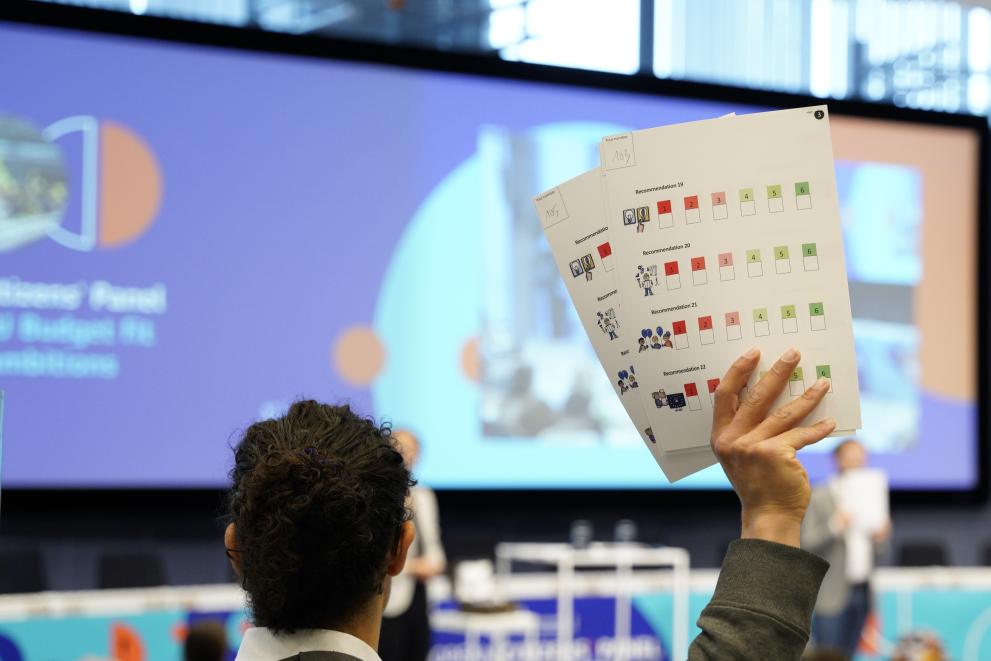
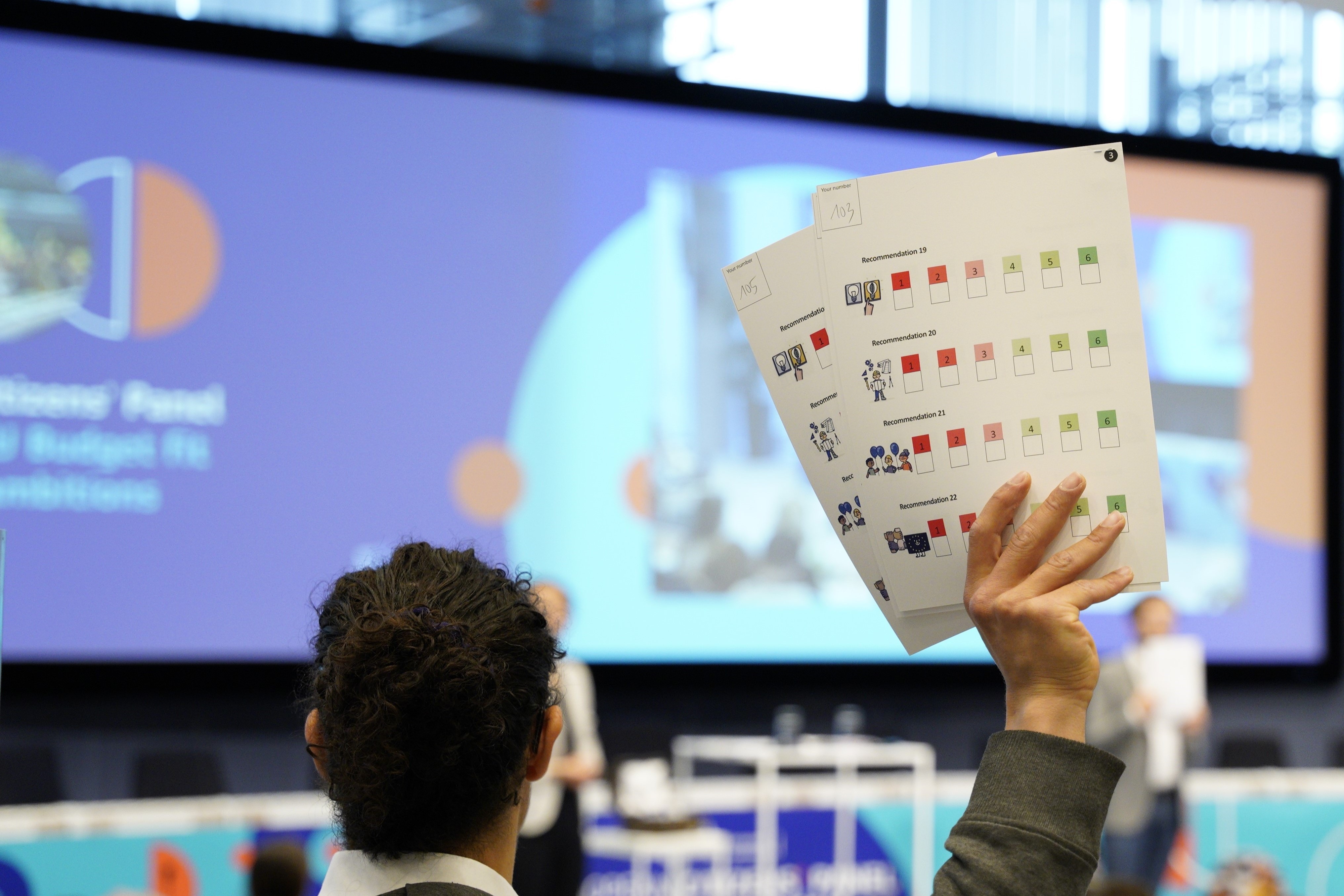
European Citizens' Panel on the New EU Budget - voting 2European Citizens' Panel on the New EU Budget - voting 2 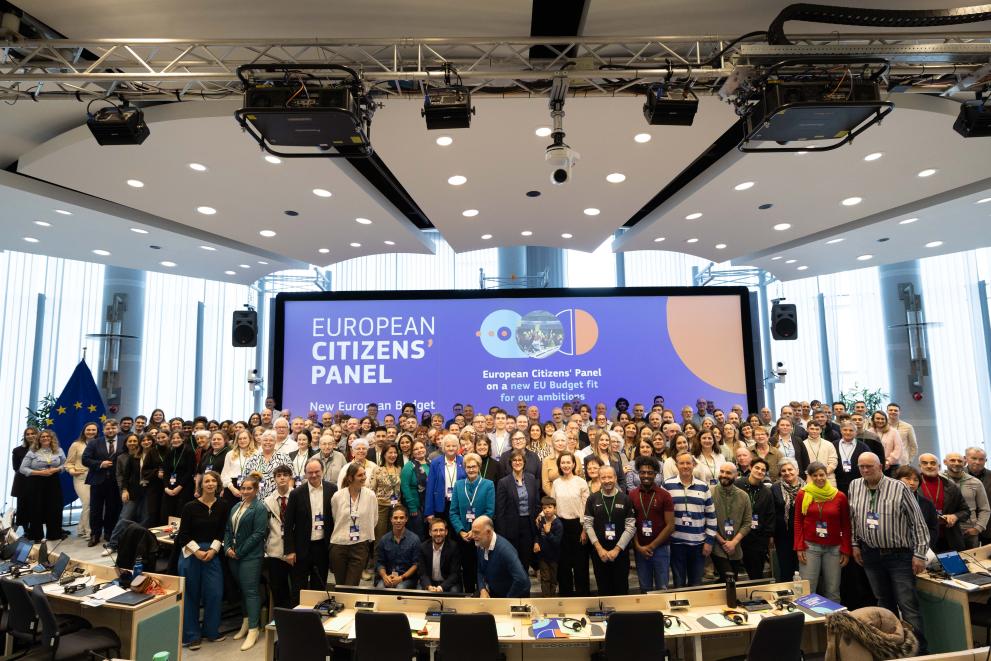
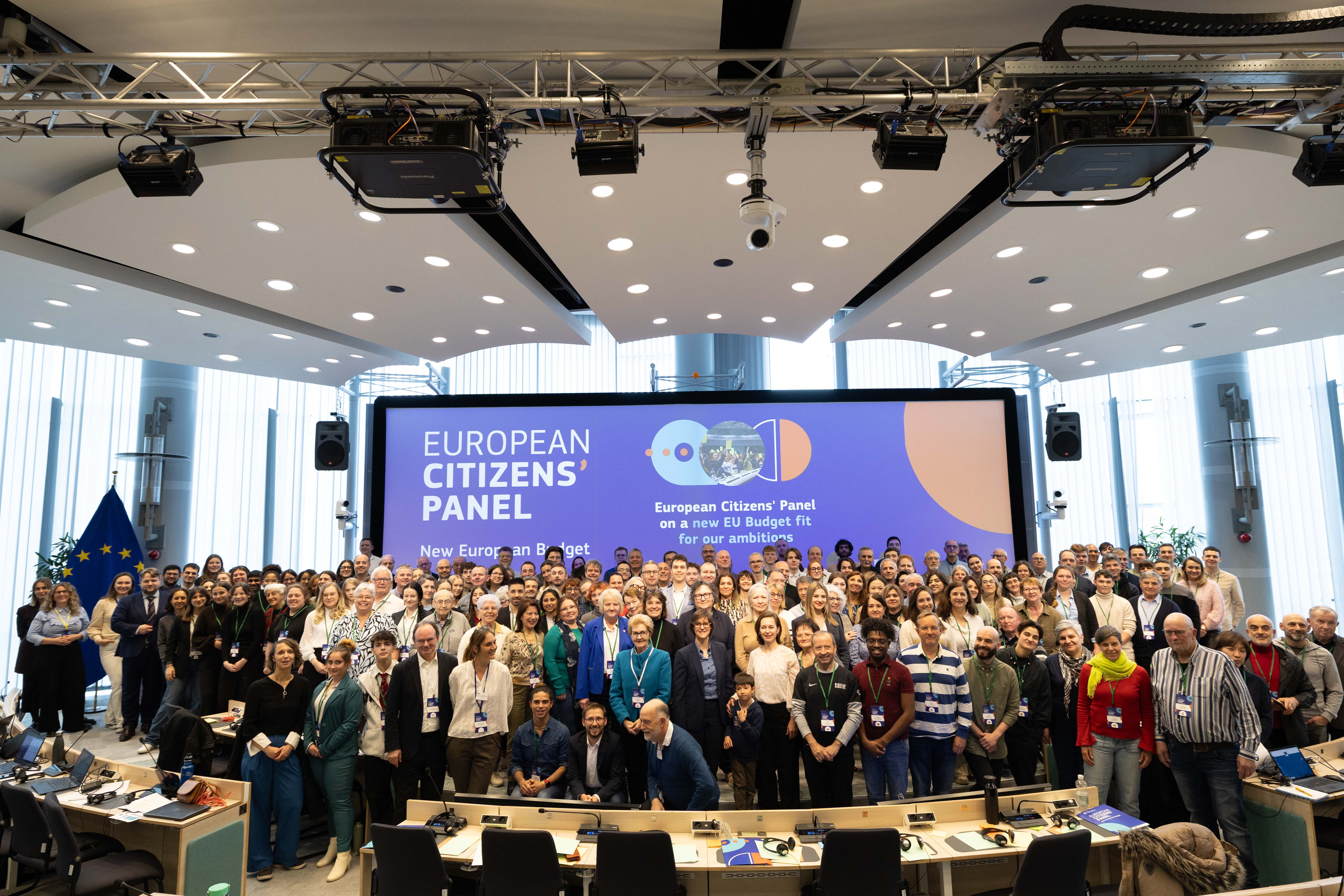
European Citizens' Panel on the New EU BudgetEuropean Citizens' Panel on the New EU Budget
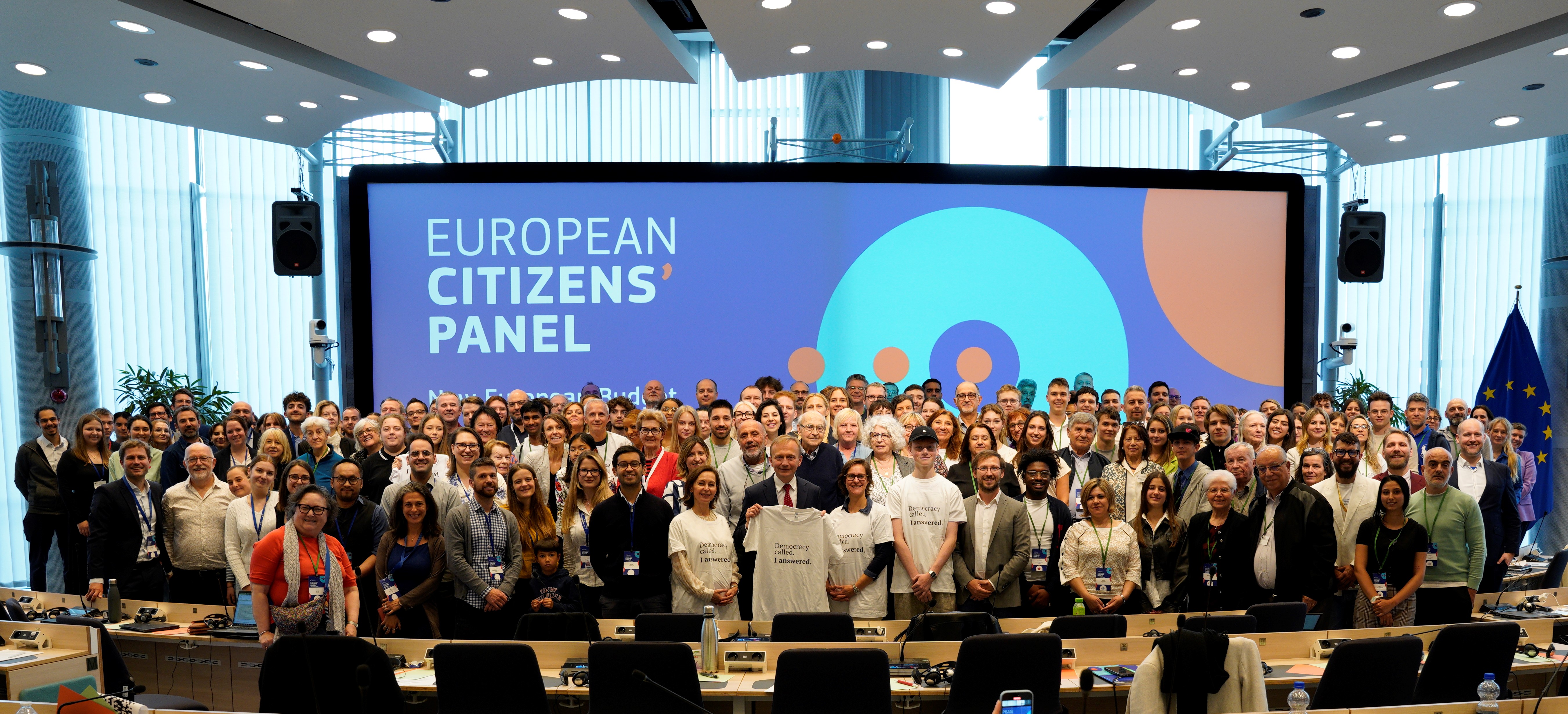



Related links
Documents

- Citizens' Panel on the New EU Budget - Third Session Agenda
- Citizens' Panel on the New EU Budget - Third Session Agenda
- Citizens' Panel on the New EU Budget - Third Session Agenda
- Citizens' Panel on the New EU Budget - Third Session Agenda
- Citizens' Panel on the New EU Budget - Third Session Agenda
- Citizens' Panel on the New EU Budget - Third Session Agenda
- Citizens' Panel on the New EU Budget - Third Session Agenda
- Citizens' Panel on the New EU Budget - Third Session Agenda
- Citizens' Panel on the New EU Budget - Third Session Agenda
- Citizens' Panel on the New EU Budget - Third Session Agenda
- Citizens' Panel on the New EU Budget - Third Session Agenda
- Citizens' Panel on the New EU Budget - Third Session Agenda
- Citizens' Panel on the New EU Budget - Third Session Agenda
- Citizens' Panel on the New EU Budget - Third Session Agenda
- Citizens' Panel on the New EU Budget - Third Session Agenda
- Citizens' Panel on the New EU Budget - Third Session Agenda
- Citizens' Panel on the New EU Budget - Third Session Agenda
- Citizens' Panel on the New EU Budget - Third Session Agenda
- Citizens' Panel on the New EU Budget - Third Session Agenda
- Citizens' Panel on the New EU Budget - Third Session Agenda
- Citizens' Panel on the New EU Budget - Third Session Agenda
- Citizens' Panel on the New EU Budget - Third Session Agenda
- Citizens' Panel on the New EU Budget - Third Session Agenda
- Citizens' Panel on the New EU Budget - Second Session Agenda
- Citizens' Panel on the New EU Budget - Second Session Agenda
- Citizens' Panel on the New EU Budget - Second Session Agenda
- Citizens' Panel on the New EU Budget - Second Session Agenda
- Citizens' Panel on the New EU Budget - Second Session Agenda
- Citizens' Panel on the New EU Budget - Second Session Agenda
- Citizens' Panel on the New EU Budget - Second Session Agenda
- Citizens' Panel on the New EU Budget - Second Session Agenda
- Citizens' Panel on the New EU Budget - Second Session Agenda
- Citizens' Panel on the New EU Budget - Second Session Agenda
- Citizens' Panel on the New EU Budget - Second Session Agenda
- Citizens' Panel on the New EU Budget - Second Session Agenda
- Citizens' Panel on the New EU Budget - Second Session Agenda
- Citizens' Panel on the New EU Budget - Second Session Agenda
- Citizens' Panel on the New EU Budget - Second Session Agenda
- Citizens' Panel on the New EU Budget - Second Session Agenda
- Citizens' Panel on the New EU Budget - Second Session Agenda
- Citizens' Panel on the New EU Budget - Second Session Agenda
- Citizens' Panel on the New EU Budget - Second Session Agenda
- Citizens' Panel on the New EU Budget - Second Session Agenda
- Citizens' Panel on the New EU Budget - Second Session Agenda
- Citizens' Panel on the New EU Budget - Second Session Agenda
- Citizens' Panel on the New EU Budget - Second Session Agenda
- Citizens' Panel the New EU Budget - Summary of Session 1
- Citizens' Panel the New EU Budget - Summary of Session 1
- Citizens' Panel the New EU Budget - Summary of Session 1
- Citizens' Panel the New EU Budget - Summary of Session 1
- Citizens' Panel the New EU Budget - Summary of Session 1
- Citizens' Panel the New EU Budget - Summary of Session 1
- Citizens' Panel the New EU Budget - Summary of Session 1
- Citizens' Panel the New EU Budget - Summary of Session 1
- Citizens' Panel the New EU Budget - Summary of Session 1
- Citizens' Panel the New EU Budget - Summary of Session 1
- Citizens' Panel the New EU Budget - Summary of Session 1
- Citizens' Panel the New EU Budget - Summary of Session 1
- Citizens' Panel the New EU Budget - Summary of Session 1
- Citizens' Panel the New EU Budget - Summary of Session 1
- Citizens' Panel the New EU Budget - Summary of Session 1
- Citizens' Panel the New EU Budget - Summary of Session 1
- Citizens' Panel the New EU Budget - Summary of Session 1
- Citizens' Panel the New EU Budget - Summary of Session 1
- Citizens' Panel the New EU Budget - Summary of Session 1
- Citizens' Panel the New EU Budget - Summary of Session 1
- Citizens' Panel the New EU Budget - Summary of Session 1
- Citizens' Panel the New EU Budget - Summary of Session 1
- Citizens' Panel the New EU Budget - Summary of Session 1
- Citizens' Panel on the New EU Budget - First Session Agenda
- Citizens' Panel on the New EU Budget - First Session Agenda
- Citizens' Panel on the New EU Budget - First Session Agenda
- Citizens' Panel on the New EU Budget - First Session Agenda
- Citizens' Panel on the New EU Budget - First Session Agenda
- Citizens' Panel on the New EU Budget - First Session Agenda
- Citizens' Panel on the New EU Budget - First Session Agenda
- Citizens' Panel on the New EU Budget - First Session Agenda
- Citizens' Panel on the New EU Budget - First Session Agenda
- Citizens' Panel on the New EU Budget - First Session Agenda
- Citizens' Panel on the New EU Budget - First Session Agenda
- Citizens' Panel on the New EU Budget - First Session Agenda
- Citizens' Panel on the New EU Budget - First Session Agenda
- Citizens' Panel on the New EU Budget - First Session Agenda
- Citizens' Panel on the New EU Budget - First Session Agenda
- Citizens' Panel on the New EU Budget - First Session Agenda
- Citizens' Panel on the New EU Budget - First Session Agenda
- Citizens' Panel on the New EU Budget - First Session Agenda
- Citizens' Panel on the New EU Budget - First Session Agenda
- Citizens' Panel on the New EU Budget - First Session Agenda
- Citizens' Panel on the New EU Budget - First Session Agenda
- Citizens' Panel on the New EU Budget - First Session Agenda
- Citizens' Panel on the New EU Budget - Information Kit
- Citizens' Panel on the New EU Budget - Information Kit
- Citizens' Panel on the New EU Budget - Information Kit
- Citizens' Panel on the New EU Budget - Information Kit
- Citizens' Panel on the New EU Budget - Information Kit
- Citizens' Panel on the New EU Budget - Information Kit
- Citizens' Panel on the New EU Budget - Information Kit
- Citizens' Panel on the New EU Budget - Information Kit
- Citizens' Panel on the New EU Budget - Information Kit
- Citizens' Panel on the New EU Budget - Information Kit
- Citizens' Panel on the New EU Budget - Information Kit
- Citizens' Panel on the New EU Budget - Information Kit
- Citizens' Panel on the New EU Budget - Information Kit
- Citizens' Panel on the New EU Budget - Information Kit
- Citizens' Panel on the New EU Budget - Information Kit
- Citizens' Panel on the New EU Budget - Information Kit
- Citizens' Panel on the New EU Budget - Information Kit
- Citizens' Panel on the New EU Budget - Information Kit
- Citizens' Panel on the New EU Budget - Information Kit
- Citizens' Panel on the New EU Budget - Information Kit
- Citizens' Panel on the New EU Budget - Information Kit
- Citizens' Panel on the New EU Budget - Information Kit